Understanding Tobacco Harm Reduction Clearly

Understanding Tobacco Harm Reduction Clearly

Quit Smoking Resources
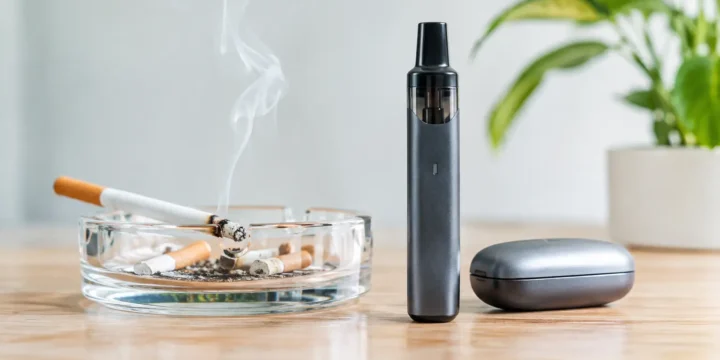
A cigarette is not just a nicotine delivery device. Burning tobacco creates smoke containing thousands of chemicals, including many that can damage the lungs, heart, and blood vessels. Understanding tobacco harm reduction starts with that distinction: nicotine can be highly addictive, but the greatest health danger from cigarettes comes from inhaling burned tobacco smoke. For someone who has tried to quit repeatedly, this information is not meant to create pressure or shame. It can help create options. Harm reduction recognizes that stopping all tobacco and nicotine use is often a process, not a single decision that works perfectly the first time. What tobacco harm reduction means Tobacco harm reduction is a health-focused approach that aims to lower the harms associated with smoking, especially when a person is not ready or…

Read More
Is Vaping Harder to Quit Than Cigarettes?

Is Vaping Harder to Quit Than Cigarettes?

Quit Smoking Resources
A vape can become part of nearly every moment of the day: in the car, at work, after a meal, while scrolling, or before sleep. That constant access is one reason people ask, is vaping harder to quit than smoking? For some people, yes. Vaping can be especially difficult to stop because nicotine delivery, frequent use, flavors, and daily routines can reinforce dependence in ways that are easy to miss. That does not mean quitting is out of reach. It means your plan may need to address more than nicotine alone. Understanding what keeps the habit going can help you choose supports that make a smoke-free and vape-free life more realistic. Is vaping harder to quit than smoking? There is no single answer for everyone. Both cigarettes and nicotine vapes…
Read More
Vape Quit Programs: What Helps You Quit for Good

Vape Quit Programs: What Helps You Quit for Good

Quit Smoking Resources
The right vape quit programs do more than tell you to throw away your device. They help you prepare for the moments when nicotine feels tied to your morning coffee, a stressful commute, a work break, or time with friends. Quitting can be difficult, especially when vaping has become part of your daily routine, but support and a clear plan can make the process far more manageable. Most vaping products deliver nicotine, a drug that can cause dependence. The amount of nicotine can vary widely by product, and frequent use may lead to strong cravings when you stop. That does not mean you have failed or lack willpower. It means your brain and body are adjusting to less nicotine, and you deserve practical tools that fit your situation. What vape…
Read More
Smoking Cessation Apps Comparison: What Helps?

Smoking Cessation Apps Comparison: What Helps?

Quit Smoking Resources
A quit app can be useful at 2 a.m., during a work break, or in the few minutes after an argument - the moments when a craving can feel bigger than your plan. This smoking cessation apps comparison can help you choose a tool that fits your needs without treating an app as a substitute for medical or recovery support. Most apps are designed for nicotine cigarettes or vaping. Some features, such as craving tracking, reminders, coping exercises, and peer support, may also help people who are trying to stop smoking marijuana or other substances. But substance-specific withdrawal, mental health concerns, and safety risks may require care that an app cannot provide. What smoking cessation apps can and cannot do A good quitting app turns a broad goal - “I…
Read More
How to Avoid Post Quit Weight Gain Without Dieting

How to Avoid Post Quit Weight Gain Without Dieting

Quit Smoking Resources
A bag of chips can feel strangely urgent after you quit smoking. So can a second helping at dinner, a sweet coffee, or frequent trips to the kitchen. If you want to avoid post quit weight gain, the goal is not to be perfect or restrict yourself while managing withdrawal. It is to understand why appetite and cravings change, then build a few steady habits that support your smoke-free recovery. Some people gain weight after quitting nicotine, while others do not. A modest increase is common, especially in the first few months, but it is not inevitable. More importantly, returning to smoking to control weight brings far greater health risks than a few extra pounds. You deserve a plan that protects both your health and your progress. Why weight can…
Read More
How to Replace Smoking After Meals Without White-Knuckling

How to Replace Smoking After Meals Without White-Knuckling

Quit Smoking Resources
A meal can end, and the urge can arrive almost on autopilot: clear the plate, stand up, smoke. If you want to replace smoking after meals, the goal is not to prove you have perfect willpower. It is to give your brain and body a different, repeatable ending to eating - one that still provides a pause, a change of scene, or a sense of relief. This pattern is common with cigarettes, vaping, marijuana, and other smoked substances. Food, certain drinks, a specific chair, stress after a busy day, and the people around you can all become cues. The good news is that learned routines can be changed. It may feel awkward at first, but each smoke-free meal teaches your brain something new. Why smoking after meals feels so automatic…
Read More
How to Manage Social Smoking Triggers With Confidence

How to Manage Social Smoking Triggers With Confidence

Quit Smoking Resources
A friend steps outside to smoke. Someone passes a vape around at a party. Your usual break at work suddenly feels different when you are trying to quit. To manage social smoking triggers, it helps to recognize that the urge is often about more than the substance itself. It can be tied to belonging, routine, stress relief, celebration, or the fear of feeling left out. Social triggers are common whether you are quitting nicotine, marijuana, methamphetamine, crack cocaine, or another substance that you have smoked or inhaled. Having a craving in a familiar setting does not mean you have failed or that recovery is not working. It means your brain has learned an association, and you can practice building a new response. Why Social Situations Can Feel So Powerful Smoking…
Read More
How to Create a Personal Quit Plan That Works

How to Create a Personal Quit Plan That Works

Quit Smoking Resources
A quit date written on a calendar can feel small compared with a craving, a stressful shift, or a familiar friend group. But when you create a personal quit plan around your real routines, triggers, and reasons for stopping, you give yourself something practical to follow when motivation dips. Whether you smoke marijuana, nicotine, methamphetamine, crack cocaine, or another substance, quitting does not have to mean doing everything perfectly or doing it alone. A useful plan is not a punishment and it is not a promise that you will never struggle. It is a set of decisions you make while you are thinking clearly, so you have support and next steps ready when urges show up. Start with your reason for quitting Your reason needs to matter to you, not…
Read More
Why Does Quitting Cause a Cough After Smoking?

Why Does Quitting Cause a Cough After Smoking?

Quit Smoking Resources
A cough after you stop smoking can feel unfair. You made a health-focused change, yet your chest may feel scratchier, more congested, or more active than it did when you were smoking. If you are wondering, why does quitting cause cough, the short answer is that your airways may be beginning to clear and recover. Still, not every cough after quitting is harmless, so knowing what is typical and what needs medical attention matters. This can happen after stopping cigarettes, marijuana, crack cocaine, methamphetamine, or other substances that are smoked or inhaled. The details vary with the substance, how often someone used it, and whether they have asthma, COPD, allergies, a respiratory infection, or another lung condition. Why Does Quitting Cause Cough? Smoke and heated inhaled substances irritate the lining…
Read More
Online Cessation Program Review: What to Check

Online Cessation Program Review: What to Check

Quit Smoking Resources
A good online cessation program does more than send daily encouragement or count the days since your last cigarette. It helps you prepare for the moments that usually pull you back in: the drive home, a stressful meeting, a drink with friends, or the first rough morning without nicotine. This online cessation program review gives you a practical way to judge whether a program can support a real quit attempt, not just make a promising first impression. The right fit depends on what you use, how often you use it, and what has made previous quit attempts difficult. A cigarette smoker who wakes up craving nicotine may need a different level of support than someone trying to stop vaping after school or work. The strongest programs recognize that quitting is…
Read More
Quit Smoking Stories That Prove Change Is Possible

Quit Smoking Stories That Prove Change Is Possible

Quit Smoking Resources
The hardest part of quitting is often believing that your life can really work without nicotine. Quit smoking stories can help bridge that gap. They do not promise that every craving disappears overnight or that one method works for everyone. What they show is more useful: people with busy jobs, long smoking histories, stress, and past failed attempts can build a smoke-free life one decision at a time. The stories below are composite examples based on common quitting experiences. The details differ from person to person, but the patterns are real: a reason strong enough to begin, a plan for the rough moments, and support after a setback. Quit Smoking Stories: What They Have in Common People often expect a successful quitter to feel completely ready, confident, and calm on…
Read More
Quitline Counseling Benefits That Help You Quit

Quitline Counseling Benefits That Help You Quit

Quit Smoking Resources
A cigarette craving can feel urgent enough to erase every reason you wanted to quit. That is where quitline counseling benefits become real: instead of facing the moment alone, you can speak with a trained coach who helps you get through the next few minutes and prepare for the next trigger. Quitlines are telephone-based tobacco and nicotine cessation programs, commonly offered through state health departments. They are designed to give people practical, judgment-free support while they quit cigarettes, vaping products, or other nicotine use. For many people, a quitline turns a private struggle into a supported plan. What quitline counseling is and why it works Quitline counseling is more than a quick reminder that smoking is harmful. A counselor helps you look at the patterns keeping nicotine in your day:…
Read More