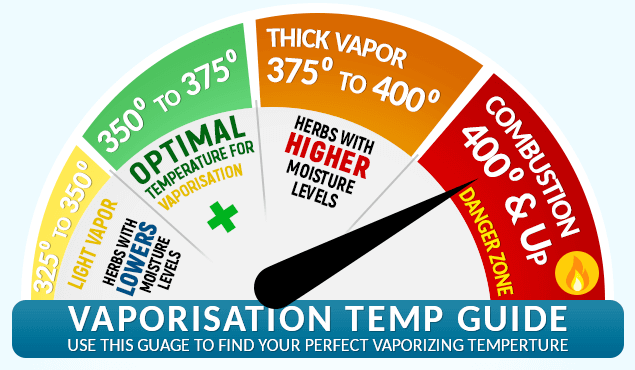
Many people trying to quit smoking or vaping nicotine consider switching to dry herb vape pens (also called dry herb vaporizers) for cannabis or other herbs. While these devices heat material without combustion, they still involve inhalation and can create new challenges for those seeking complete freedom from nicotine and other dependencies.
What Are the Best Dry Herb Vape Pens?
At Quit Smoking Community, our goal is to support you in becoming truly nicotine-free. This guide explains what dry herb vapes are, their potential risks during a quit attempt, and better alternatives.
We will begin with the best vape pens:
What Are Dry Herb Vape Pens?
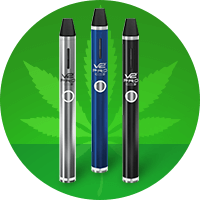
Dry herb vaporizers heat ground plant material (usually cannabis) to release vapor instead of smoke. Popular models in 2026 include devices like the Storz & Bickel Venty, Planet of the Vapes Lobo, Arizer Solo 3, and Pax series.
They are often marketed as:
- Discreet and portable
- Better tasting than smoking
- Producing less odor than joints or blunts
However, for someone quitting nicotine, these devices come with important caveats.
Key Risks When Using Dry Herb Vapes While Quitting Nicotine
Reinforces the inhalation habit — The hand-to-mouth action and vapor inhalation can trigger nicotine cravings and make it harder to break behavioral patterns. Cross-addiction potential — Using any psychoactive substance can strengthen overall reward-seeking behavior in the brain. Dual or poly-substance use — Many people end up using both nicotine vapes and dry herb vapes, which significantly lowers long-term quit success rates. Lung irritation — Even without combustion, inhaling vaporized material can cause inflammation and respiratory issues.
- Delaying true freedom — Switching habits instead of quitting entirely often prolongs dependence.
Bottom line: Dry herb vaping is not a recommended quitting aid for nicotine. It may feel like progress, but it often keeps you in the “vaping lifestyle.”
Why We Don’t Recommend Dry Herb Vapes for Quitters
Successful long-term quitters in our community focus on breaking free from all inhalation habits and nicotine dependence. Relying on another vaporizer — even for cannabis — can slow down or derail your progress.
Proven tools that actually help:
- Nicotine Replacement Therapy (NRT)
- Behavioral strategies and community support
- Evidence-based approaches covered on our site
Better Paths to Lasting Freedom
Instead of looking for “better vapes,” focus on methods that lead to complete nicotine cessation:
- Combination NRT (patch + gum/lozenge)
- Structured quit plans with accountability
- Natural symptom management techniques
Related Resources:
Frequently Asked Questions (FAQ)
Q1: Can dry herb vapes help me quit nicotine? A: They are not proven to help and may make quitting harder by maintaining inhalation habits and introducing new dependencies. Most successful quitters avoid all vaporizers.
Q2: Are dry herb vapes safer than smoking? A: They avoid combustion and tar, but they are not risk-free. For nicotine quitters, the behavioral overlap is the biggest concern.
Q3: What if I only use them occasionally? A: Even occasional use can act as a trigger. The goal during a quit attempt should be removing all triggers.
Q4: Which dry herb vape is the “best” if I still want to try one? A: We do not recommend any specific model. If you choose to use one, prioritize low-temperature, high-quality devices and monitor whether it’s truly helping or hindering your nicotine-free goal.
Q5: What’s the most effective way to quit nicotine? A: Combination NRT + strong community support + behavioral changes. Thousands in our community have succeeded this way.