I Found My Young Teen Son Vaping, What should I do?

I Found My Young Teen Son Vaping, What should I do?

Quit Smoking Resources
A Calm, Practical Guide for Parents Who Want to Act Early—and Effectively Discovering or suspecting that your 12-year-old is vaping can be alarming. Many parents feel a mix of fear, anger, confusion, and urgency—especially when vaping is often framed as “less harmful” or dismissed as a phase. But at this age, vaping is not harmless experimentation. It is early exposure to nicotine, habit formation, and emotional regulation through inhalation. This article is designed to help parents respond without panic, without shaming, and without repeating scare tactics that often backfire. Instead, it focuses on understanding why children vape, what actually helps them stop, and how to reduce the risk of long-term dependence—while preserving trust. First: Take a Breath Before You Act Your reaction matters more than the device itself. At 12…
Read More
New Year, Clear Lungs: How Carbon Monoxide Awareness Can Support Smoking Cessation

New Year, Clear Lungs: How Carbon Monoxide Awareness Can Support Smoking Cessation

Quit Smoking Resources
Every January, millions of people set a resolution to quit smoking. Motivation is usually high, intentions are sincere, and the desire for a healthier year feels real. Yet statistics consistently show that many quit attempts fade within weeks—not because people don’t care, but because progress is hard to see in the early stages. One emerging concept gaining attention in smoking cessation is carbon monoxide (CO) awareness and tracking. While quitting smoking has traditionally relied on willpower, counseling, and nicotine replacement, CO feedback introduces something many smokers lack during early recovery: immediate, objective proof that the body is healing. This article explores how carbon monoxide relates to smoking, why awareness matters, and how CO tracking can complement—not replace—evidence-based quitting strategies. The focus here is behavioral support and motivation, avoiding redundancy with…
Read More
If You Smoke Every Day, How Long Until You’re “Clean”?

If You Smoke Every Day, How Long Until You’re “Clean”?

Quit Smoking Resources
A Practical, Non-Redundant Look at Nicotine, THC, and Real Recovery People often ask how long it takes to be “clean” after smoking every day, but that question is usually asked without defining what “clean” actually means. On QuitSmokingCommunity.org, we already cover nicotine withdrawal timelines, cold-turkey quitting, and cessation tools in detail. This article fills a different gap. Instead of repeating those topics, this guide explains: What “clean” means biologically vs behaviorally Why daily use changes recovery expectations How nicotine and THC differ without duplicating detox charts What recovery looks like after substances leave the body This is about real-world recovery, not quick answers. What “Clean” Means Depends on the Context When someone says they want to be clean, they usually mean one of four things: The substance is no longer…
Read More
Cytisinicline: A New Generation Smoking Cessation Treatment Explained

Cytisinicline: A New Generation Smoking Cessation Treatment Explained

Quit Smoking Resources
Cytisinicline is emerging as one of the most closely watched non-nicotine smoking cessation medications in recent years. Designed to help people stop smoking without replacing nicotine itself, cytisinicline targets the brain pathways that drive addiction while reducing withdrawal symptoms and blocking the rewarding effects of cigarettes. As smoking-related disease remains one of the leading preventable causes of death worldwide, new tools like cytisinicline represent an important evolution in treatment. This in-depth article explains what cytisinicline is, how it works, how it differs from existing quit-smoking medications, its safety profile, and what current research suggests about its role in modern smoking cessation strategies. What Is Cytisinicline? Cytisinicline is a plant-derived alkaloid–based compound that acts on nicotinic acetylcholine receptors in the brain—the same receptors activated by nicotine. While related to cytisine (a…
Read More
A Simple Text Message Could Help Save Lives: How Mobile Support Is Helping People Quit Smoking During TB Treatment

A Simple Text Message Could Help Save Lives: How Mobile Support Is Helping People Quit Smoking During TB Treatment

Quit Smoking Resources
Quitting smoking is never easy—but for people battling tuberculosis (TB), it can be the difference between recovery and relapse, life and death. A growing body of research now shows something remarkable: a simple, supportive text message—sent at the right time—can dramatically improve quit rates, even among people facing serious illness. This insight is changing how public health experts think about smoking cessation, especially in vulnerable populations. For communities working to quit smoking, this isn’t just a technology story—it’s a human connection story. Why Smoking and Tuberculosis Are a Dangerous Combination Tuberculosis already places enormous strain on the lungs and immune system. When smoking is added to the mix, the risks multiply: Smoking slows TB recovery It increases the likelihood of treatment failure It raises the risk of death and reinfection…
Read More
Former Smokers Face Higher Heart Attack Risk After Adopting a New Vaping Habit

Former Smokers Face Higher Heart Attack Risk After Adopting a New Vaping Habit

Quit Smoking Resources
Many former smokers turn to vaping believing it is a safer way to avoid returning to cigarettes. While switching away from combustible tobacco can reduce exposure to some harmful toxins, growing evidence suggests that starting or continuing nicotine use through vaping may carry serious cardiovascular risks—especially for former smokers. Emerging research indicates that former smokers who take up vaping may face a higher risk of heart attack than those who quit nicotine entirely. This evolving evidence challenges the assumption that vaping is a harmless long-term alternative and reinforces the importance of complete nicotine cessation as a cornerstone of cardiovascular wellness. Nicotine and the Heart: The Common Denominator Nicotine—regardless of delivery method—is a powerful stimulant that affects the cardiovascular system. It raises heart rate, increases blood pressure, constricts blood vessels, and…
Read More
Quitting Smoking Can Benefit People Living With HIV

Quitting Smoking Can Benefit People Living With HIV

Quit Smoking Resources
For people living with HIV, maintaining overall wellness involves more than managing viral load alone. Lifestyle factors—especially tobacco and nicotine use—play a powerful role in long-term health outcomes. Smoking rates among people living with HIV remain significantly higher than in the general population, and nicotine use is now recognized as one of the leading preventable causes of illness and early mortality in this community. Quitting nicotine is not just beneficial—it can be life-extending. Smoking and HIV: A Compounded Health Risk Advances in antiretroviral therapy have transformed HIV into a manageable chronic condition. However, research shows that people living with HIV who smoke may lose more years of life to tobacco use than to HIV itself. According to the Centers for Disease Control and Prevention, smoking is associated with increased rates…
Read More
The Overlooked Epidemic of Tobacco Harm in People Living with Mental Health Conditions

The Overlooked Epidemic of Tobacco Harm in People Living with Mental Health Conditions

Quit Smoking Resources
Tobacco use remains one of the leading causes of preventable disease and death worldwide, yet its impact is not distributed equally across populations. Among the most affected—and often overlooked—are people living with mental health conditions. While smoking rates have declined steadily in the general population, they remain disproportionately high among individuals experiencing depression, anxiety disorders, bipolar disorder, schizophrenia, and other mental health challenges. This disparity represents a critical public health issue and an urgent wellness concern that demands focused attention, compassion, and action. A Disproportionate Burden of Harm Research consistently shows that people living with mental health conditions smoke at significantly higher rates than those without such conditions. In many countries, this group consumes a large share of all cigarettes sold, despite representing a smaller percentage of the population. As…
Read More
Breath Resistance Necklaces: Do They Really Work to Stop Smoking or Vaping?

Breath Resistance Necklaces: Do They Really Work to Stop Smoking or Vaping?

Quit Smoking Resources
Breath resistance necklaces have become a popular social-media trend, often promoted as tools that can help people quit smoking or vaping. Influencers claim they reduce cravings, strengthen lungs, and even replace the sensation of vaping. But do these devices actually work for nicotine cessation? The short answer: they are not proven smoking or vaping cessation tools. However, some people report limited benefits when using them in specific ways. Here’s what the evidence and user experiences really show. What Are Breath Resistance Necklaces? Breath resistance necklaces are wearable devices with a mouthpiece that restricts airflow during inhalation. This creates resistance, forcing the diaphragm and breathing muscles to work harder. The concept is borrowed from inspiratory muscle training (IMT), which has legitimate medical and athletic applications. These necklaces are marketed in two…
Read More
Is the FDA Finally Opening the Door to Tobacco Harm Reduction?

Is the FDA Finally Opening the Door to Tobacco Harm Reduction?

Quit Smoking Resources
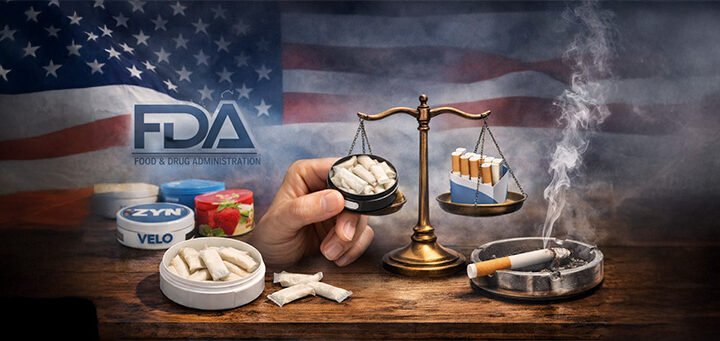
In 2025 and 2026, the U.S. Food and Drug Administration (FDA) appears to be shifting its stance on how it regulates nicotine and tobacco products — potentially signaling a thaw toward tobacco harm reduction (THR). This change could have implications for adults who smoke, public health policy, and how safer alternatives are evaluated and made available in the United States. While the FDA has historically taken a cautious and often restrictive approach, recent developments suggest that the agency may be moving toward a broader recognition of harm reduction strategies — including recognizing that some nicotine products are much less harmful than combustible cigarettes and can play a constructive role in reducing smoking-related disease. Filter+1 What Is Tobacco Harm Reduction? Tobacco harm reduction is a public health approach focused on reducing…
Read More
January Quit Support: Tools and Programs to Help You Stop Tobacco in 2026

January Quit Support: Tools and Programs to Help You Stop Tobacco in 2026

Quit Smoking Resources
If you’re thinking about quitting tobacco or vaping — whether you’re just starting to consider it or you’ve tried before — supportive programs and resources can make all the difference. The beginning of a new year is a great moment to commit to your health and take action toward a tobacco-free life. There are free workshops, group sessions, and one-on-one support options designed to walk you through planning your quit date, understanding withdrawal, developing coping strategies, and staying smoke-free for the long haul. Human Resources University of Michigan Start With a Quit Readiness Workshop For many people, the hardest part is figuring out where to begin. A short introductory session can help you explore your quitting options in a supportive, non-judgmental space. In early January, there’s a virtual workshop where…
Read More

Want to Quit Smoking in 2026? Here’s All the Help You Need

Quit Smoking Resources
If quitting smoking has been on your mind for a while, 2026 may feel like the right moment to finally commit. Not because it’s a new year or a resolution—but because more people than ever are realizing that quitting doesn’t have to mean suffering alone or relying on sheer willpower. Smoking cessation today looks very different than it did even a decade ago. We now understand nicotine addiction better, we have more effective tools, and—most importantly—we know that support dramatically increases success. Whether you’ve tried to quit before or you’re just starting to consider it, this guide brings together everything you need to make quitting smoking in 2026 more achievable, realistic, and sustainable. Why Quitting Smoking Is Still One of the Best Decisions You Can Make Smoking remains one of…
Read More