
Cannabidiol (CBD) has become one of the most discussed wellness compounds of the last decade. Extracted from the hemp plant, CBD is non-intoxicating and does not produce the “high” associated with THC. Instead, it is widely used for stress management, sleep support, inflammation relief, and emotional balance.
For individuals trying to quit smoking or manage nicotine withdrawal, CBD oil has gained interest as a supportive wellness tool, not a cure or replacement therapy. This guide explains what CBD oil is, how it works, potential benefits, safety considerations, and how to choose a high-quality product.
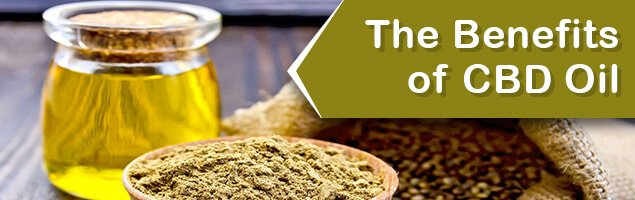
Introduction: Why CBD Oil Is Getting Attention
Cannabidiol (CBD) has become one of the most discussed wellness compounds of the last decade. Extracted from the hemp plant, CBD is non-intoxicating and does not produce the “high” associated with THC. Instead, it is widely used for stress management, sleep support, inflammation relief, and emotional balance.
For individuals trying to quit smoking or manage nicotine withdrawal, CBD oil has gained interest as a supportive wellness tool, not a cure or replacement therapy. This guide explains what CBD oil is, how it works, potential benefits, safety considerations, and how to choose a high-quality product.
What Is CBD Oil?
CBD oil is a liquid extract made by combining cannabidiol (CBD) with a carrier oil such as MCT oil, hemp seed oil, or olive oil. CBD itself is one of over 100 cannabinoids found in cannabis plants, but hemp-derived CBD contains less than 0.3% THC, making it federally legal in the United States.
Hemp vs. Marijuana CBD
While CBD can come from both hemp and marijuana plants, most commercially available CBD oil is derived from industrial hemp because it:
- Contains minimal THC
- Is legal in many jurisdictions
- Is easier to regulate and test
How CBD Works in the Body
CBD interacts with the endocannabinoid system (ECS), a regulatory network involved in:
- Mood and emotional regulation
- Stress response
- Sleep cycles
- Appetite and digestion
- Immune function
Rather than binding directly to cannabinoid receptors like THC, CBD modulates receptor activity, helping the body maintain balance (homeostasis).
This indirect interaction is one reason CBD is generally well tolerated and non-intoxicating.
Potential Benefits of CBD Oil
CBD research is still evolving, but both clinical studies and real-world use suggest several potential benefits.
1. Stress and Anxiety Support
One of the most common reasons people use CBD oil is to help manage daily stress and anxiety. Research suggests CBD may influence serotonin signaling, which plays a role in mood regulation.
For individuals quitting smoking, stress and anxiety are major relapse triggers. CBD may help:
- Reduce restlessness
- Support emotional stability
- Promote a calmer baseline during withdrawal
2. Sleep Quality and Relaxation
Sleep disturbances are common during nicotine withdrawal and periods of high stress. CBD oil is often used to:
- Improve sleep onset
- Reduce nighttime awakenings
- Promote relaxation without sedation
Unlike sleep medications, CBD does not typically cause next-day grogginess.
3. Inflammation and Physical Discomfort
CBD has been studied for its anti-inflammatory properties, which may help with:
- Joint discomfort
- Muscle soreness
- General inflammation associated with stress
Chronic smokers often experience systemic inflammation, making this a potential wellness benefit during recovery.
4. Emotional Balance During Smoking Cessation
CBD is not a nicotine replacement and should not be treated as one. However, it may support quitting efforts by:
- Reducing emotional reactivity
- Helping manage cravings indirectly
- Supporting mindfulness and stress coping strategies
CBD works best when combined with evidence-based cessation methods such as behavioral support, counseling, or nicotine replacement therapy.
Types of CBD Oil Explained
Not all CBD oils are the same. Understanding the differences is essential when choosing a product.
Full-Spectrum CBD Oil
Contains:
- CBD
- Trace amounts of THC (<0.3%)
- Other cannabinoids and terpenes
Pros:
- “Entourage effect” may enhance benefits
Cons: - Not ideal for individuals avoiding all THC (e.g., drug testing)
Broad-Spectrum CBD Oil
Contains:
- CBD and other cannabinoids
- No detectable THC
Pros:
- Retains entourage effect without THC
Cons: - Slightly more processed
CBD Isolate
Contains:
- Pure CBD only
Pros:
- No THC at all
Cons: - May be less effective for some users
How to Choose the Best CBD Oil
Quality varies widely in the CBD market. Use the following criteria to evaluate products.
1. Third-Party Lab Testing
Always look for independent lab reports (COAs) that confirm:
- CBD potency
- THC levels
- Absence of pesticides, heavy metals, and solvents
2. Transparent Labeling
A reputable CBD oil should clearly list:
- Total CBD content (in milligrams)
- Serving size
- Ingredient list
- Manufacturer information
3. Extraction Method
The safest and most effective method is CO₂ extraction, which preserves cannabinoids without harmful solvents.
4. Source of Hemp
High-quality CBD oil typically uses U.S.-grown hemp, cultivated under agricultural regulations.
Is CBD Oil Safe?
CBD is generally considered safe for most adults, but it is not risk-free.
Possible Side Effects
- Dry mouth
- Fatigue
- Digestive upset
- Changes in appetite
Medication Interactions
CBD can interact with certain medications, including:
- Blood thinners
- Seizure medications
- Some antidepressants
Anyone taking prescription medications should consult a healthcare professional before using CBD.
CBD Oil and Smoking Cessation: What It Can and Cannot Do
It’s important to be clear and responsible:
CBD oil is NOT:
- A smoking cessation medication
- A nicotine replacement therapy
- A guaranteed solution for quitting
CBD oil MAY:
- Support stress management
- Help reduce anxiety during quitting
- Complement a broader quit plan
The most successful quit strategies combine:
- Behavioral support
- Structured plans
- Medical guidance when needed
Legal Status of CBD in the United States
Hemp-derived CBD containing less than 0.3% THC is federally legal under the 2018 Farm Bill. However:
- State laws may vary
- The FDA does not approve CBD as a dietary supplement
- Health claims are regulated
Always purchase CBD from reputable companies that follow labeling and compliance standards.
Common CBD Oil Myths
“CBD Gets You High”
False. CBD is non-intoxicating.
“More CBD Is Always Better”
False. Many people benefit from low to moderate doses.
“CBD Works Instantly”
Not always. Effects may be subtle and build over time.
How to Use CBD Oil
CBD oil is most commonly taken sublingually:
- Place drops under the tongue
- Hold for 30–60 seconds
- Swallow
This method allows faster absorption compared to capsules or edibles.
Final Thoughts: Is CBD Oil Worth Considering?
CBD oil is not a miracle product, but it can be a useful wellness supplement when used responsibly. For individuals quitting smoking, managing stress, or seeking better sleep, CBD may offer gentle support without intoxication.
The key is realistic expectations, product quality, and integration with proven health strategies.