Zyban (generic name Bupropion SR) is an FDA-approved prescription medication that helps people quit smoking by reducing cravings and stabilizing mood. Although originally developed as an antidepressant, Zyban has been used for over 20 years as a proven smoking cessation aid.
In 2025, Zyban remains a recommended first-line quit-smoking medication, especially for people who struggle with mood changes, stress, or withdrawal symptoms when quitting.
This guide explains how Zyban works, proper dosage, benefits, side effects, precautions, and how to use it effectively.
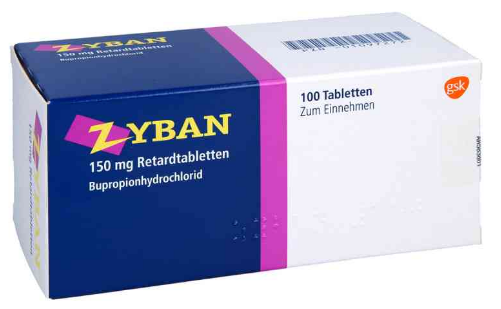
What Is Zyban (Bupropion SR)?
Zyban is a non-nicotine medication that works on the brain chemicals dopamine and norepinephrine — two neurotransmitters strongly involved in nicotine addiction, motivation, and mood.
Zyban does NOT contain nicotine and does NOT work like nicotine replacement therapy.
Instead, it modifies the brain’s response to cravings and withdrawal.
How Zyban Helps You Quit Smoking
Zyban works through three key mechanisms:
1. Reduces Cravings
Bupropion increases dopamine availability, which helps reduce the urge to smoke — especially habitual and stress-related cravings.
2. Reduces Withdrawal Symptoms
Zyban stabilizes norepinephrine levels, which helps with:
- Irritability
- Anxiety
- Difficulty concentrating
- Restlessness
- Low mood
This makes the early weeks of quitting significantly easier.
3. Supports Mood & Motivation
Because Zyban is also an antidepressant, it can reduce the emotional crash or “emptiness” some smokers feel when they stop.
This benefit is particularly helpful for:
- People who smoke to cope with stress
- People with mild depression
- People with mood fluctuations during withdrawal
Who Should Consider Zyban?
Zyban is especially helpful for:
- Smokers who struggle with stress-triggered smoking
- People who overeat when quitting
- Smokers who failed with NRT alone
- People who want a non-nicotine option
- Those with mild depression or anxiety who want additional support
- Vapers trying to quit nicotine
Zyban may also help prevent the weight gain that often occurs after quitting.
Who Should NOT Use Zyban?
Avoid Zyban if you have:
- Seizure disorders (epilepsy)
- Eating disorders (bulimia, anorexia)
- History of severe head injury
- Allergic reaction to bupropion
- Current use of MAOIs
Use caution if:
- You have high blood pressure
- You drink heavily
- You take other medications affecting dopamine or norepinephrine
Pregnant or breastfeeding individuals should consult a doctor first.
Zyban Dosage Schedule (How to Take It)
Zyban is taken daily in the SR (sustained-release) form.
Week 1 – Start BEFORE your quit date
- 150 mg once daily
Week 2 and beyond
- 150 mg twice daily
(At least 8 hours apart)
Treatment Length
- Standard: 7–12 weeks
- Extended: Up to 6 months for relapse prevention
Set Your Quit Date
Most people pick a quit date 7–14 days after starting Zyban.
This allows the medication to reach therapeutic levels before withdrawal hits.
What to Expect While Taking Zyban
Days 1–5
- Cravings begin to decrease
- Energy stabilizes
- Mood slightly improves for some users
Days 7–14
- Set quit date
- Cigarettes start to feel less rewarding
- Irritability and stress decrease
Weeks 3–6
- Cravings become weaker and less frequent
- More control over daily triggers
Week 6+
- Routine stabilizes
- Most people report “breakthrough freedom”
Common Side Effects
Most side effects are mild and temporary.
1. Dry mouth
Very common. Drink water frequently.
2. Trouble sleeping
Take second dose earlier in the afternoon.
3. Headache
Often improves after the first week.
4. Mild anxiety or jitteriness
Adjusts as the body adapts.
5. Slight increase in energy
Normal due to norepinephrine effects.
Rare but serious risk: seizures
Low risk, but increased if:
- You drink heavily
- Have a seizure disorder
- Take more than the prescribed dose
Do NOT exceed prescribed dosing.
Zyban vs. Chantix: Which Is Better?
Zyban Strengths
- Supports mood
- Helps with stress-triggered cravings
- May reduce weight gain
- Non-nicotine
- Fewer vivid dreams compared to Chantix
Chantix Strengths
- Higher quit rates overall
- Reduces nicotine “reward” from cigarettes
- More effective for severe dependence
Best option?
Depends on your addiction pattern:
- Stress smoker → Zyban
- Heavy daily smoker → Chantix
- Mixed smoker/vaper → either works
Some providers use Zyban + NRT combination for tough cases.
Can You Combine Zyban With Nicotine Patches or Gum?
Yes — and it’s often extremely effective.
Zyban + Patch
= mood stability + steady nicotine reduction
Zyban + Gum/Lozenges
= mood stability + fast craving relief
Combination therapy is safe for most people and increases quit rates significantly.
How Fast Does Zyban Work?
Most people feel benefits within:
- 3–7 days (lighter cravings)
- 7–14 days (significant improvement)
- 4–6 weeks (stable nicotine independence)
However, Zyban is not a “quick fix.”
It works gradually by reshaping the brain’s chemical balance.
Tips for Success While Using Zyban
- Take doses at the same time each day
- Do NOT double up if you miss a dose
- Avoid alcohol until you see how you react
- Add light exercise for mood balance
- Track cravings using an app
- Prepare for your quit date mentally
- Combine with counseling for best results
Frequently Asked Questions
Does Zyban help with vaping addiction?
Yes — it reduces nicotine cravings regardless of source.
Does Zyban cause weight loss?
Not a weight-loss drug, but may reduce post-quit weight gain.
Can I continue Zyban long-term?
Some providers prescribe it for 6 months for relapse prevention.
Does Zyban make cigarettes taste bad?
Not exactly — but it reduces the brain’s reward from smoking.