A few years ago, there was a lot of buzz about a quit smoking shot. It made a lot of headlines because it was supposed to be a huge breakthrough that could end nicotine addiction forever…if it worked. We’re going to quickly look into this technology, what it is, and why we haven’t heard much about it in a few years.
What is the Quit Smoking Shot?
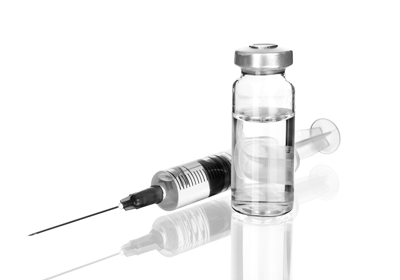
This quit smoking shot was a proposed one-time injection that was created to disable the body’s ability to enjoy pleasure from nicotine consumption. There have been similar products on the market for other addictions, but this one was still unique.
The most interesting part of these quit smoking shot solutions was that they were irreversible, a lifetime decision. The way the shot was designed, it basically altered your blood chemistry to prevent nicotine from reaching the brain. And once that happened, there was no going back.
Courtesy of Nabi BioPharmaceuticals
So essentially, it was more of a quit smoking vaccine. This is really interesting because people started proposing giving it to children so that they would never get addicted to smoking. That brings a whole new aspect of morality into it, which we don’t want to get into. But the implications of this vaccine were pretty big no matter what way you look at it.
The problem was, the companies behind this technology had to prove that it worked and that it was safe before it could be introduced to the market.
To learn more about NicVax and quit smoking vaccines in general, check out: http://www.quit-smoking-central.com/nicvax.html
Did the Vaccine Work? Was It Safe?
The main company behind the nicotine vaccine was a biopharmaceutical company called Nabi. They invested heavily into the vaccine and branded it ‘NicVax’.
Things looked good in the early-going, with the vaccine showing few side effects and a bit of potential to help certain smokers quit. But when it came down to it, it simply wasn’t effective on its own.
The main downfall was that the smokers receiving the vaccine had to have a certain response to it to make it work. Those that responded well to the antibodies did have higher success rates in quitting smoking, but not everybody responded well to them.
The third round of testing was more rigorous. It included a larger amount of patients and the “goal” was for patients in the vaccinated group to be smoke-free after a year. But after a year of testing, those who had received the vaccination had about the same success rate as those who didn’t. Which basically meant failure, and NicVax was shelved.
Learn more about the phases of NicVax studies here.
Final Answer:
No, the vaccine didn’t work after more intensive studies were done. However, side effects were minimal and there are still groups working on a quit smoking shot or vaccine.
The Future of Quit Smoking Vaccines
So clearly NicVax, in its current form, is not going to be a viable option for smokers anytime in the future. But there is still research funding going into vaccinations that aim to prevent nicotine from reaching the brain.
Selecta, another BioTech company, recently received $8.1 million in funding for their own nicotine vaccination. It’s called SEL-068, though very little information is available on how it differs from NicVax. All we could decipher is that it is synthetic and involves nanotechnology.
Our Opinion
In the end, quitting smoking isn’t about a simple pill or solution to help you quit. We’ve talked about this a lot. Quitting smoking is completely possible without the help of anything so extreme. It is possible to quit cold turkey if you have the right support and information behind you, and a lot of people believe this is the safest and most effective way to go.
Even those who use Quit Smoking Aids or Nicotine Replacement Therapies are taking a better approach than simply believing that a shot or pill can solve all their problems. The fact of the matter is, eventually you’ll have to face the nicotine withdrawal, and no pharmaceutical solution is going to change that. And if it does, than the side effects are probably pretty scary.